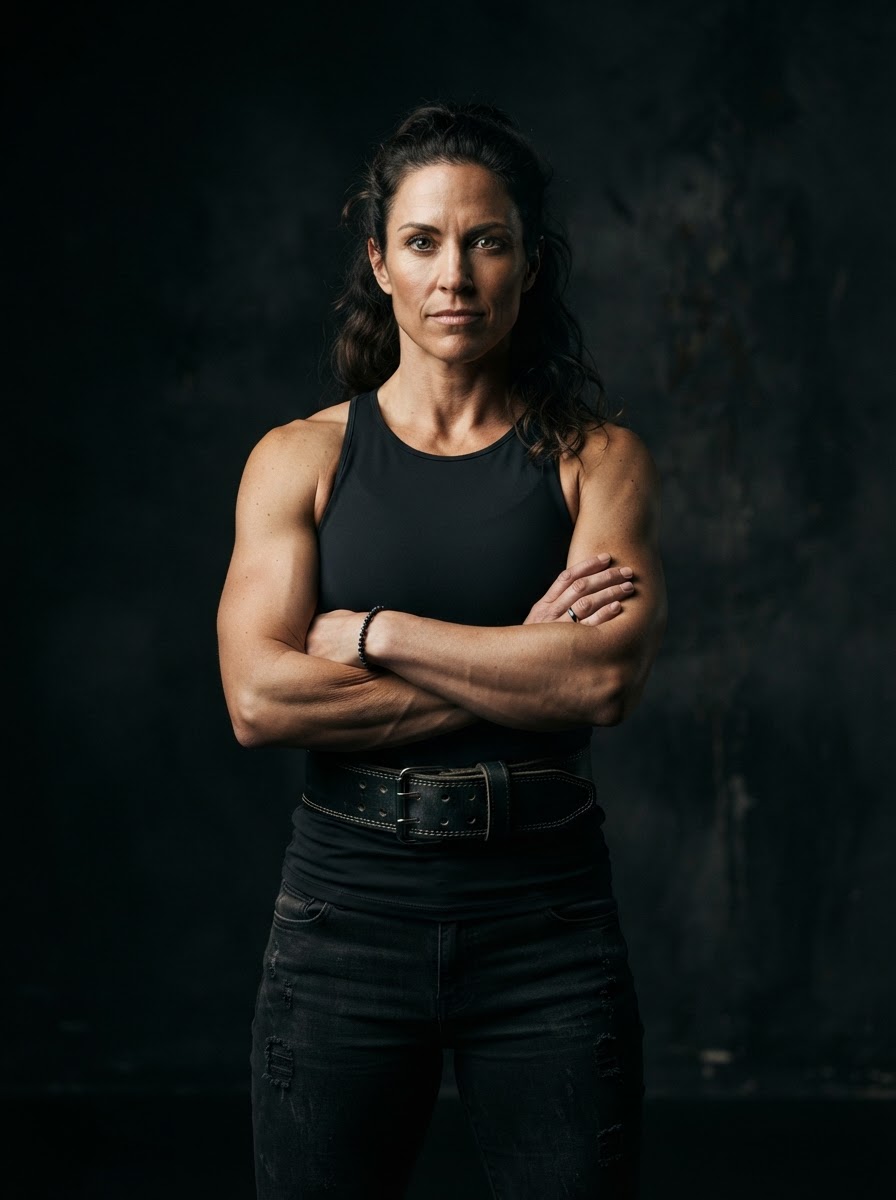
Better Human 360 — Issue 001 cover
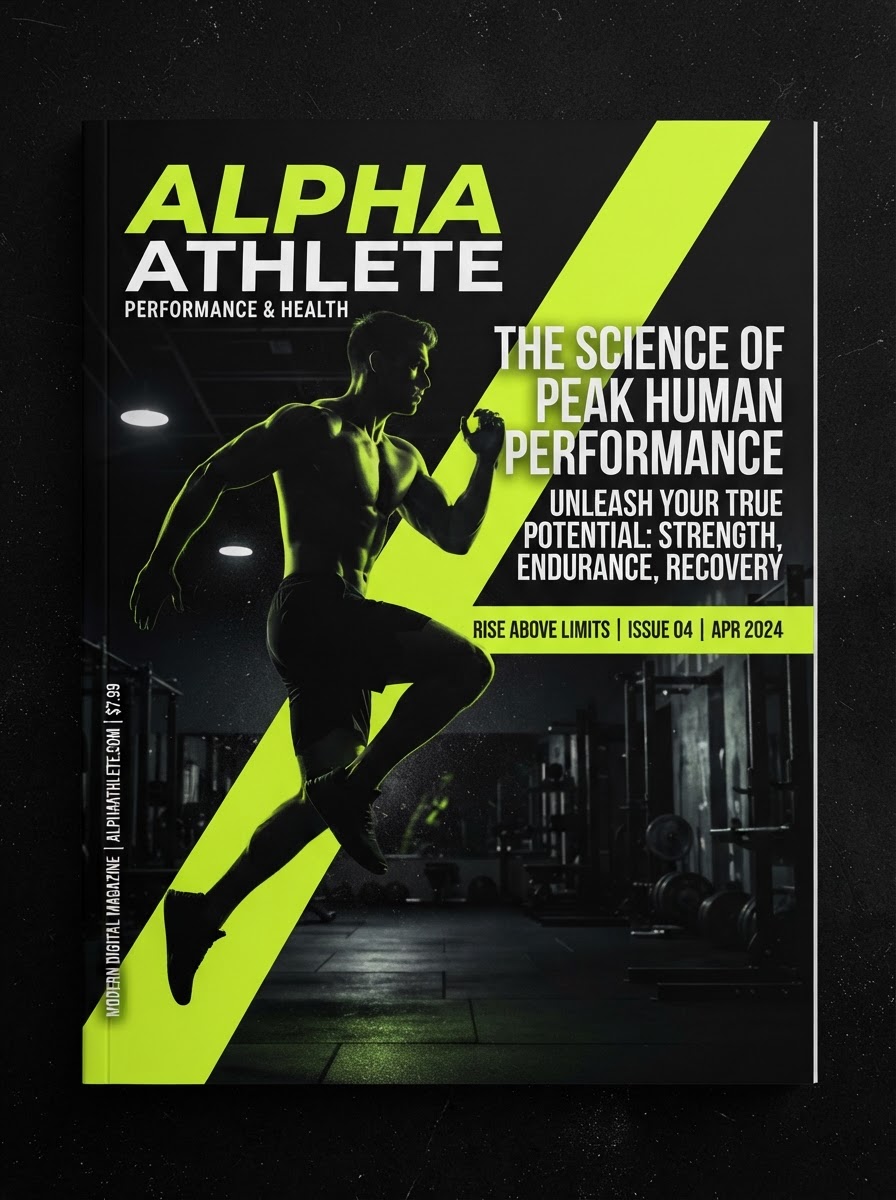
ISSUE 001APRIL 2026

BETTER HUMAN 360

BECOME A
BETTER
HUMAN.

GET STRONGERBUILD YOUR ENGINEEAT BETTERTHINK BETTERLIVE LONGERRECOVER BETTERBIOHACK YOURSELF
FROM THE EDITOR

WHAT DOES IT ACTUALLY MEAN TO BECOME A BETTER HUMAN?

Better Human isn't about becoming perfect.

It isn't about having the lowest body fat. The biggest muscles. The highest VO₂ max. The perfect diet. Or owning every health gadget ever invented.

It's about becoming more capable. Stronger. Fitter. Healthier. Clearer. More resilient. More curious. And continuing to improve the human underneath all of it.

There's an enormous world of interesting things you can explore to become a better human. This issue is the first step down the rabbit hole — a wide-angle look at what it means to become better from every angle.

WELCOME TO ISSUE 001. LET'S GO DOWN SOME RABBIT HOLES.

01 — THE BIG STORY

THE BIG STORY.

YOU DON'T NEED TO BECOME SUPERHUMAN. YOU NEED TO BECOME A BETTER HUMAN.
THE BIG STORY · LONG READ 12 MIN

YOU DON'T NEED TO BECOME SUPERHUMAN. YOU NEED TO BECOME A BETTER HUMAN.

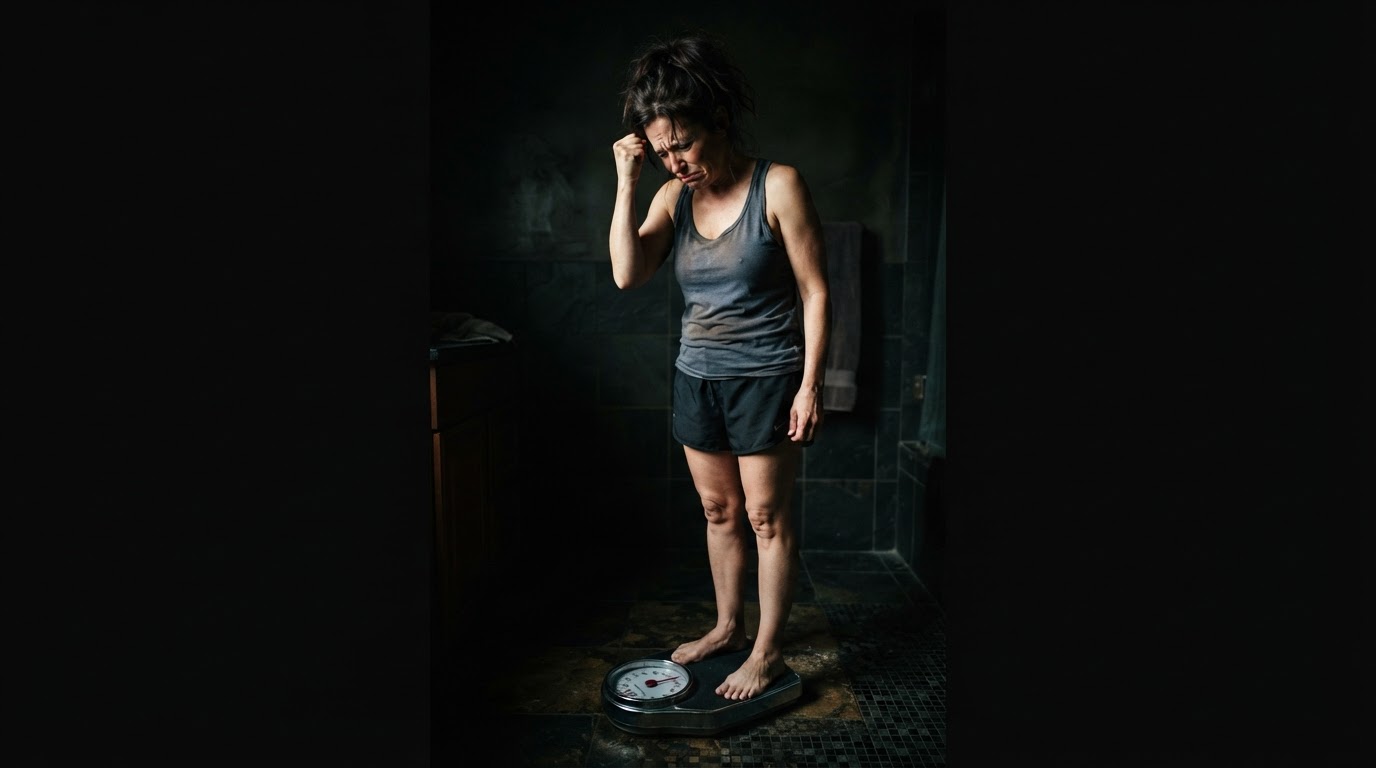
We live in a performance-obsessed culture that quietly suggests you should be optimised, maximised and biohacked to within an inch of your life. But the goal was never perfection. It was capability. Becoming a little stronger, a little fitter, a little clearer and a little more resilient — and doing it again next week. This is the case for ordinary, consistent, unglamorous improvement over chasing a version of yourself that doesn't actually exist.

READ THE FULL STORY
2 MINUTE READ

THE SIMPLEST FITNESS TEST NOBODY TALKS ABOUT

Forget the lab equipment for a moment. Try this instead: can you walk briskly and hold a conversation for thirty minutes without feeling wrecked?

If you can, your aerobic engine is probably in reasonable shape for ordinary life. If you can't — if you're gasping, if your legs burn after ten minutes, if you have to slow to a crawl — that's useful information. Not a verdict. A starting point.

It costs nothing, takes half an hour, and tells you more about your actual day-to-day capacity than most metrics on your wrist. Cardiovascular fitness is one of the strongest predictors of long-term health we have — and you don't need a VO₂ max lab to get a rough sense of where you stand.

Walk. Talk. Notice. Then decide whether building your engine is a rabbit hole worth going down.

02 — GET STRONGER

STRONGER FOR LIFE.

WHY MOST PEOPLE DON'T NEED A BODY-PART SPLIT
GET STRONGER 8 MIN

WHY MOST PEOPLE DON'T NEED A BODY-PART SPLIT

Most recreational lifters aren't professional bodybuilders. So why are they training like them? For most people trying to become stronger, healthier and more muscular, a simple full-body approach may make far more sense — fewer days, more frequency, more recovery, more life.

READ THE FULL STORY

QUICK QUESTION

HOW MANY SETS DO YOU ACTUALLY NEED?

For most people, most of the time, the answer is fewer than they think. Research on the minimum effective dose keeps landing in the same neighbourhood: a handful of hard, productive sets per muscle per week is enough for the majority of recreational lifters to build and keep muscle. You do not need to live in the gym. You need to progress the sets you actually do. Quality over quantity, consistently, beats a sprawling program you eventually stop doing.

TRY THIS

THE TWO-SET EXPERIMENT

For your next three workouts, stop doing endless volume. Choose your exercises. Perform two genuinely productive working sets — hard enough that the last rep is a real effort. Track your performance. See what actually happens to your strength over three sessions. Most people are surprised by how little they lose and how much life they gain back.

EXPLORE GET STRONGER
03 — WATCH

THE BETTER HUMAN GUIDE TO GETTING STRONGER

THE BETTER HUMAN GUIDE TO GETTING STRONGER
12:42

The fundamentals of building useful strength — without turning your entire life into a gym session. Progressive overload, frequency, recovery and the few things that actually move the needle for ordinary humans.

04 — BUILD YOUR ENGINE

GET HARDER TO TIRE OUT.

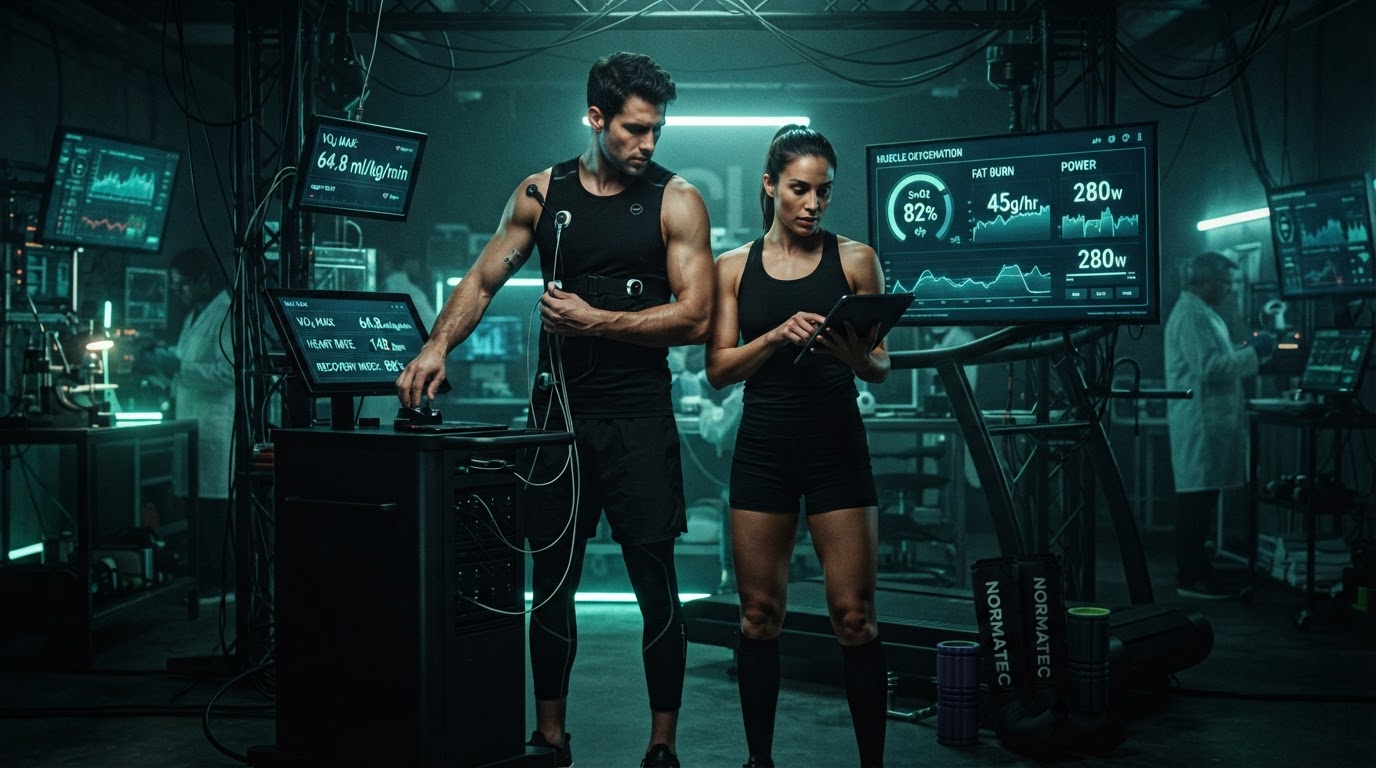
VO₂ MAX: THE NUMBER WORTH PAYING ATTENTION TO?
BUILD YOUR ENGINE 9 MIN

VO₂ MAX: THE NUMBER WORTH PAYING ATTENTION TO?

VO₂ max is becoming one of the most talked-about markers of long-term health. It measures the maximum amount of oxygen your body can use during intense exercise — and it may tell you more about your future health than your weight, your cholesterol or your BMI. Here's what it actually means, how to estimate it, and whether you should care.

READ THE FULL STORY

60-SECOND EXPLAINER

WHAT THE HELL IS ZONE 2?

Zone 2 is the easy-effort band of cardiovascular training — hard enough that you know you're exercising, easy enough that you can still hold a conversation. It builds your aerobic foundation: the base layer underneath everything else your body does. You don't need a heart-rate strap to find it. Walk briskly, cycle, or jog at a pace where you can breathe in sentences but you're not browsing on your phone. That's roughly it. The boring, repeatable, unsexy work that makes everything else possible.

TRY THIS TODAY

30–45 MINUTES. EASY ENOUGH TO TALK. HARD ENOUGH TO KNOW YOU'RE EXERCISING.

Pick a continuous activity — walking uphill, cycling, rowing, a slow jog. Hold an effort where you can speak in short sentences but would rather not have a full debate. Go for 30 to 45 minutes. Notice your breathing, your heart rate, how long it takes to recover afterwards. That's Zone 2. This is the foundation you build everything else on.

EXPLORE BUILD YOUR ENGINE
05 — EAT BETTER

FOOD WITHOUT THE RELIGION.

WHY DOES EVERYONE DISAGREE ABOUT FOOD?
EAT BETTER 10 MIN

WHY DOES EVERYONE DISAGREE ABOUT FOOD?

Low carb. Low fat. Vegan. Carnivore. Keto. Mediterranean. Fasting. Everyone seems certain, and everyone seems to have a study. So what do we actually know — and why is nutrition science so genuinely hard? A guide to thinking about food without joining a religion.

READ THE FULL STORY

QUICK FAQ

  • ?DO YOU NEED BREAKFAST?
  • ?IS KETO BAD FOR YOU?
  • ?HOW MUCH PROTEIN DO YOU NEED?
  • ?ARE CARBS BAD?

FULL ANSWER

IS KETO BAD FOR YOU?

No — not inherently. Ketogenic diets can be an effective tool for certain people, particularly for appetite control, blood sugar management and certain clinical contexts. The idea that keto is uniquely dangerous or uniquely magical are both oversimplifications.

What matters more than the label is the quality of the food, the sustainability of the approach for you, and whether it fits your actual life. A keto diet built on whole foods is very different from one built on processed 'keto' products. And like any restrictive approach, it only works if you can actually stick with it.

Most people don't need keto to lose fat, improve their health or feel better. But it isn't the villain some make it out to be. The diet you can follow beats the perfect diet you can't.

EXPLORE EAT BETTER

“THE BEST DIET ISN'T THE ONE WITH THE BEST NAME. IT'S THE ONE THAT HELPS YOU BECOME THE HUMAN YOU'RE TRYING TO BECOME.”

BETTER HUMAN 360

06 — THINK BETTER

YOUR ATTENTION IS YOUR LIFE.

YOUR ATTENTION IS YOUR LIFE
THINK BETTER 8 MIN

YOUR ATTENTION IS YOUR LIFE

Your phone, apps, algorithms, work and entertainment are all competing for the same finite resource: your attention. What happens when you deliberately take it back — and why the ability to focus may be one of the most valuable skills you can build in 2026.

READ THE FULL STORY

TRY THIS

PUT YOUR PHONE IN ANOTHER ROOM FOR 60 MINUTES.

One hour. No phone in arm's reach. Close every unnecessary tab. Choose one meaningful task. Work on nothing else. Then notice: how often did you instinctively reach for distraction? How long before your mind settled? Did the quality of your thinking change? Attention is a muscle — and most of us have forgotten it can be trained.

EXPLORE THINK BETTER
07 — RECOVER BETTER

THE OTHER HALF OF PERFORMANCE.

YOU DON'T GET BETTER FROM TRAINING. YOU GET BETTER FROM RECOVERING FROM TRAINING.
RECOVER BETTER 9 MIN

YOU DON'T GET BETTER FROM TRAINING. YOU GET BETTER FROM RECOVERING FROM TRAINING.

Training is stress. Work is stress. Life is stress. Recovery is how humans adapt, rebuild and become capable of doing it again. The other half of performance nobody talks about enough — and why the cult of doing more is quietly holding you back.

READ THE FULL STORY

QUICK FAQ

HOW MUCH SLEEP DO YOU ACTUALLY NEED?

The honest, boring answer: most adults need seven to nine hours. Not as a target to hit occasionally — as a consistent baseline.

The number that matters isn't the night you got four hours and felt fine. It's the average across the week. Chronic sleep debt quietly erodes everything — strength, focus, mood, recovery, immune function, and the decisions you make about all of the above.

If you're genuinely thriving on six, fine. But most people who claim to are running on caffeine and willpower and quietly underperforming what they're capable of. Start with a consistent sleep opportunity — the same bedtime, the same wake time — and see what actually changes.

TONIGHT

TRY THE 3-NIGHT SLEEP RESET.

For the next three nights: a consistent sleep window, dim the lights earlier, phone away before bed, room cool and dark, daylight within an hour of waking. Notice how quickly you fall asleep, how you feel on waking, and how training feels the next day.

EXPLORE RECOVER BETTER
08 — LIVE LONGER

TRAIN FOR YOUR FUTURE SELF.

THE MUSCLE–LONGEVITY CONNECTION
LIVE LONGER 11 MIN

THE MUSCLE–LONGEVITY CONNECTION

Muscle isn't just for looking a certain way. It's metabolic currency, a shock absorber, and one of the strongest predictors of how capable you'll remain as you age. Why building muscle might be the single most useful thing you can do for your future self.

READ THE FULL STORY

FUTURE YOU

WHAT WILL YOUR 80-YEAR-OLD SELF WISH YOU STARTED TODAY?

Sit with it for a moment. The 80-year-old version of you doesn't want you to have found the perfect supplement or the optimal stack.

They want you to have stayed strong. To have kept walking. To have protected your sleep. To have eaten reasonably. To have known your blood pressure. To have built habits that compounded for decades rather than weeks.

The most powerful longevity intervention isn't a drug or a device. It's the boring, repeatable stuff you keep doing for forty years. Pick one. Start. The future you is watching.

EXPLORE LIVE LONGER
09 — BIOHACK YOURSELF

INTERESTING DOESN'T MEAN PROVEN.

ON OUR RADAR

CONTINUOUS GLUCOSE MONITORS FOR NON-DIABETICS

Why people are interested: CGMs promise a real-time window into how your body responds to food, exercise, sleep and stress — turning 'eat better' from abstract advice into something you can actually see.

What might be useful: for some people, seeing their personal glucose response is genuinely eye-opening. It can reveal which 'healthy' foods spike them, how walks blunt spikes, and how their body actually differs from the average.

What we actually know: most of the 'insights' are still educated guesses. The research on whether CGMs improve health outcomes in non-diabetics is early and mixed. Many of the 'spikes' people worry about are normal.

What remains uncertain: whether the average healthy person benefits enough to justify the cost and the anxiety. Interesting tool. Not a necessity. Wear one to learn, not to obsess.

THE BETTER HUMAN BULLSHIT METER

COLD EXPOSURE

HYPE█████████░9/10
EVIDENCE██████░░░░6/10
COST██░░░░░░░░2/10
EFFORT██████░░░░6/10

VERDICT

Interesting tool.

Not magic.

Use carefully.

Design prototype — illustrative editorial judgement, not a scientific rating.

EXPLORE BIOHACK YOURSELF
10 — MEET THE HUMANS

PEOPLE WORTH LISTENING TO.

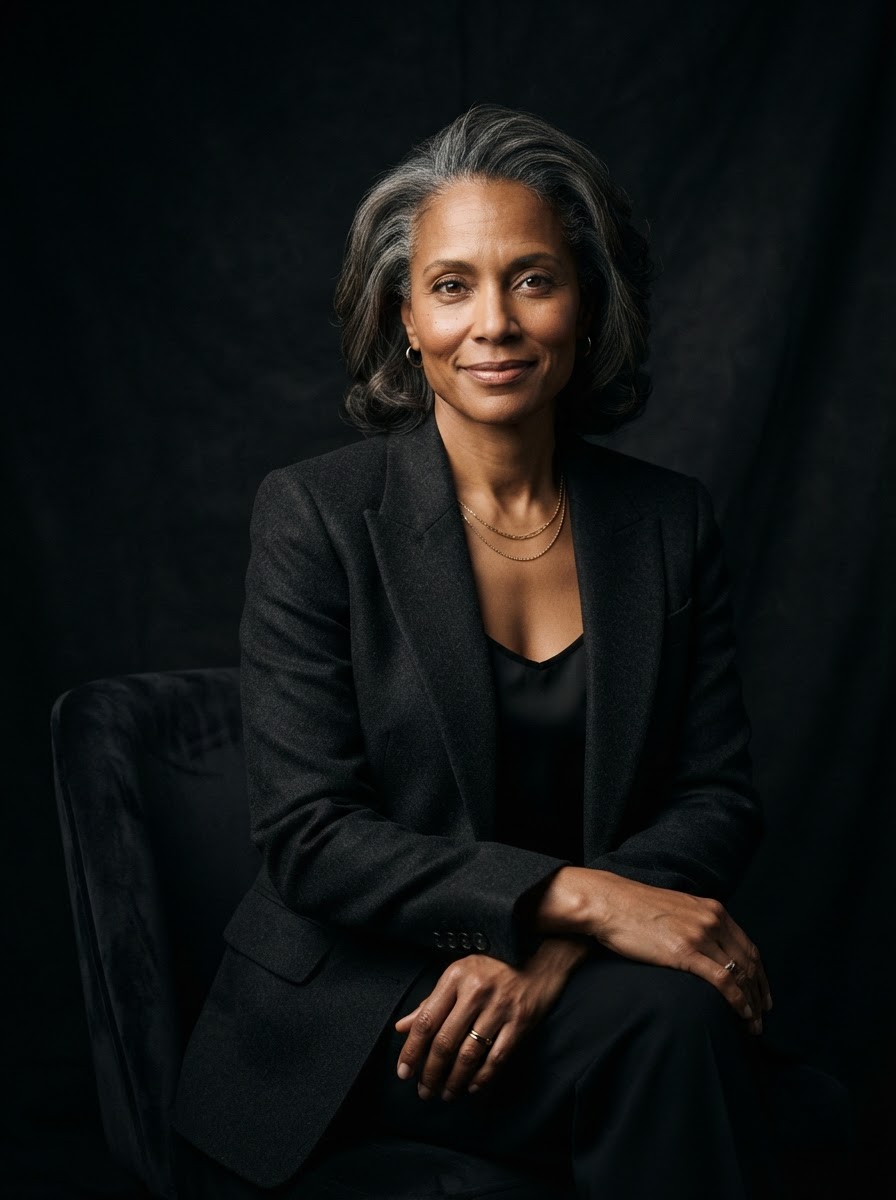
ALEX MORGAN

Strength & Performance Coach

ALEX MORGAN

Works with everyday humans who want to get stronger without turning their lives into a gym session.

“Most people don't need a more complicated program. They need to progress the one they've already got.”

VIEW PROFILE
DR. PRIYA ANAND

Nutrition Professional

DR. PRIYA ANAND

Translates the messy science of protein, fasting and supplements into things you can actually do.

“The diet you can follow beats the perfect diet you can't.”

VIEW PROFILE
TOM REILLY

Running Coach

TOM REILLY

Helps ordinary humans run further without falling apart.

“You don't need to become a runner to get fit. You just need to move, often.”

VIEW PROFILE

Demonstration contributors shown for design. Names and specialisms are prototype content.

11 — WE TRIED IT

WHAT HAPPENS WHEN YOU ACTUALLY DO THE THING?

30 DAYS OF 10-MINUTE DAILY MEDITATION.

THE IDEA
Could ten minutes of daily meditation actually change how we focus, handle stress and recover? We wanted to find out rather than just repeat the claims.
THE PROTOCOL
Ten minutes. Every day. Same time each morning. Guided sessions. No skipping, no making up missed days with a double session.
WHAT WE TRACKED
Sleep, focus, perceived stress, reactivity to interruptions, and whether we actually kept doing it.

Did it work? What surprised us — and would we keep doing it? The full experiment report digs into what actually moved and what was mostly expectation.

Prototype — outcomes not fabricated. Full report will document a genuine Better Human experiment.

TRY THIS

5 THINGS TO TRY THIS WEEK.

Small, doable experiments. No motivational bullshit. Pick one. Do it. Learn. Then build.

01

TAKE A 45-MINUTE WALK WITHOUT YOUR PHONE.

Leave it at home. Walk. Notice how strange it feels — then how good. Movement, daylight and a break from the feed, all at once.

02

EAT 30–40G OF PROTEIN AT YOUR FIRST MEAL.

Eggs, Greek yoghurt, a proper shake. It blunts hunger for hours and makes the rest of the day's eating noticeably easier to manage.

03

DO ONE EASY ZONE 2 SESSION.

30–45 minutes. Easy enough to talk. Hard enough to know you're exercising. The boring foundation everything else is built on.

04

PUT YOUR PHONE AWAY 30 MINUTES BEFORE BED.

Give your brain a runway. You'll fall asleep faster and sleep deeper than the night you scrolled until you couldn't keep your eyes open.

05

DO TWO HARD SETS OF A COMPOUND MOVEMENT.

Squat, hinge, press or pull. Two genuinely productive working sets. Track the weight. See what consistent, minimal dose training actually does.

QUICK FIRE

THINGS WORTH KNOWING.

CREATINE

Rare supplement that works, is cheap, and has one of the strongest evidence bases in the entire field. If you lift, it's a yes.

MORNING LIGHT

Ten minutes of daylight within an hour of waking does more for your sleep than most sleep gadgets. Free, fast, effective.

RESTING HEART RATE

A rough guide to your cardiovascular fitness and recovery. Track the trend, not the daily number.

PROTEIN

Around 0.8–1g per pound of target bodyweight is enough for most people. You almost certainly don't need as much as the internet says.

WALKING

The most underrated exercise on earth. Low cost, low injury, high return. Start here before anything fancy.

SLEEP CONSISTENCY

Same bedtime, same wake time. The single biggest sleep lever most people can pull — and it costs nothing.

ON OUR RADAR

WHAT WE'RE WATCHING.

AI HEALTH COACHES

WATCHING

LLMs reading your wearable data and handing you advice. Promising direction, currently very confident about very little.

SMART RINGS

PROMISING

Now a mainstream sleep and recovery tracker. Good trends, still no device that measures sleep perfectly.

BIOLOGICAL AGE TESTS

CURIOUS

Single-number promises. What they actually measure — and how repeatable they are — is still genuinely unsettled.

HYBRID TRAINING

EARLY

Training strength and endurance seriously at once. The evidence it's bad for gains is weaker than the legend suggests.

PERSONALISED NUTRITION

DEBATED

Eating for your individual response rather than the average. Interesting framing, quality varies wildly.

ONE MORE THING

YOU DON'T NEED TO FIX EVERYTHING THIS WEEK.

A Better Human isn't created by simultaneously changing your sleep, your food, your training, your meditation, your supplements and every other habit on the same Monday.

That's a recipe for a confident Tuesday and a defeated Friday.

Pick something. One thing. Do it for a couple of weeks. Learn what actually happens — to your body, your energy, your mind. Then keep it, drop it, or build on it. Then pick the next thing.

Capability compounds. Not in dramatic, Instagrammable leaps, but in the quiet accumulation of small things you kept doing. You don't need to become superhuman. You need to become a slightly better human, again and again, for a long time.

THAT'S ISSUE 001.

You made it. Hopefully you learned something. More importantly, hopefully you'll do something with it.

NEXT ISSUE →

ISSUE 002
DON'T MISS THE NEXT ONE

GET THE NEXT ISSUE.

New ideas. Useful experiments. Humans worth knowing. Delivered when the next Better Human 360 Issue drops.

One email when an issue drops. Unsubscribe anytime. No spam.